Wondering if Prineville feels too small, too rural, or just right for your next move? If you are looking at Central Oregon and want more breathing room, a steadier pace, and a more manageable price point than Bend, Prineville often lands on the shortlist. Here’s what daily life, housing, commuting, and recreation really look like so you can decide whether it fits your goals. Let’s dive in.
Prineville at a Glance
Prineville is a small high-desert city with a long local history and a more settled feel than many fast-growing areas in Central Oregon. The city is home to an estimated 11,917 residents, and it is known as the oldest community in Central Oregon and one of Oregon’s first incorporated cities.
That small-town feel shows up in the numbers. About 60.1% of homes are owner-occupied, and 85.5% of residents lived in the same house one year earlier. In plain terms, many people who live here tend to stay, which often points to a stable, established community.
Prineville is also growing. The population increased from 10,736 in 2020 to 11,917 in 2024, which is about 11.0% growth. So while it feels rooted and familiar, it is not standing still.
Daily Life in Prineville
If you move to Prineville, your day-to-day routine will likely feel quieter and more car-oriented than life in a larger city. The average commute time is 23.8 minutes, and most errands, school drop-offs, and recreation plans are easier when you drive.
At the same time, Prineville covers many everyday basics close to home. The city has 4,791 households, an average household size of 2.36, and broadband subscriptions in 88.2% of households, which can be helpful if you work remotely or split time between home and office.
You also get a lifestyle that leans heavily outdoors. Many people are drawn to Prineville because it offers access to open space and recreation without the busier pace and density found in other parts of Central Oregon.
Housing Costs and Budget Expectations
One of the biggest reasons buyers consider Prineville is value relative to other Central Oregon markets. The median owner-occupied home value is $425,900 in Prineville, compared with $602,600 in the Bend metro and $477,600 statewide.
That does not make Prineville a cheap market. It simply means it can offer a more approachable entry point than Bend for some buyers. Your monthly payment will still depend heavily on financing, taxes, and insurance, so it is smart to look beyond sticker price.
The local income and housing numbers help frame the bigger picture. Median household income is $72,980, median gross rent is $1,355, and median monthly owner cost with a mortgage is $1,713. For buyers and sellers alike, that places Prineville in a middle ground where affordability matters, but careful planning still matters just as much.
What Types of Homes You’ll Find
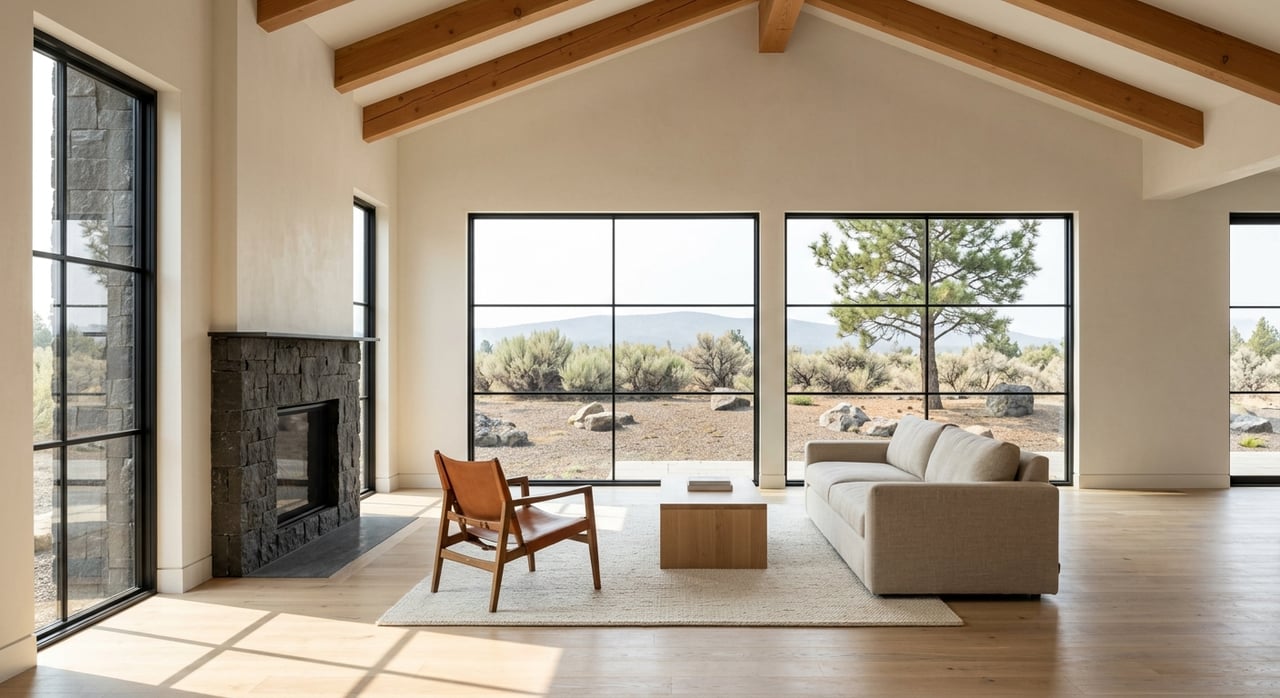
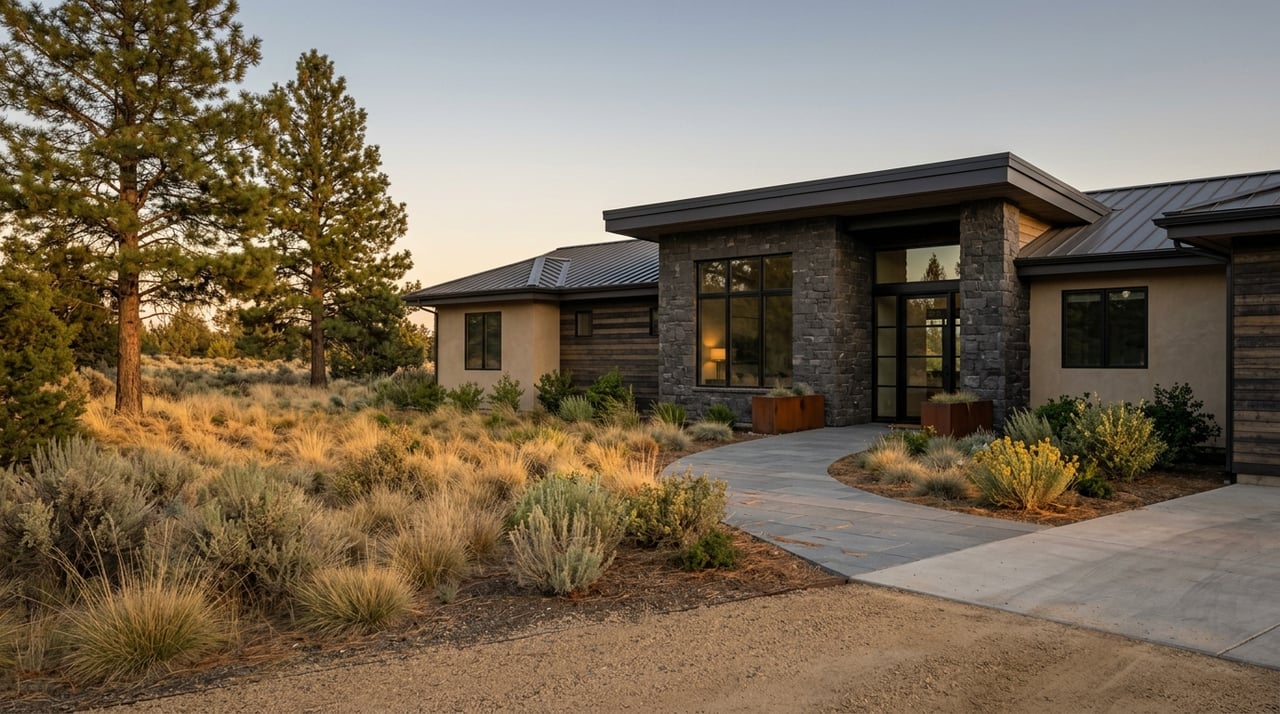
Prineville offers more than one kind of housing option. Based on Crook County’s residential application structure and Oregon housing policy, buyers may encounter conventional single-family homes, manufactured homes, and some infill or accessory dwelling unit activity.
That variety can be helpful if you want flexibility in price, lot size, or setup. Some buyers are looking for an in-town home with public services nearby, while others want more land and a little more separation from neighbors.
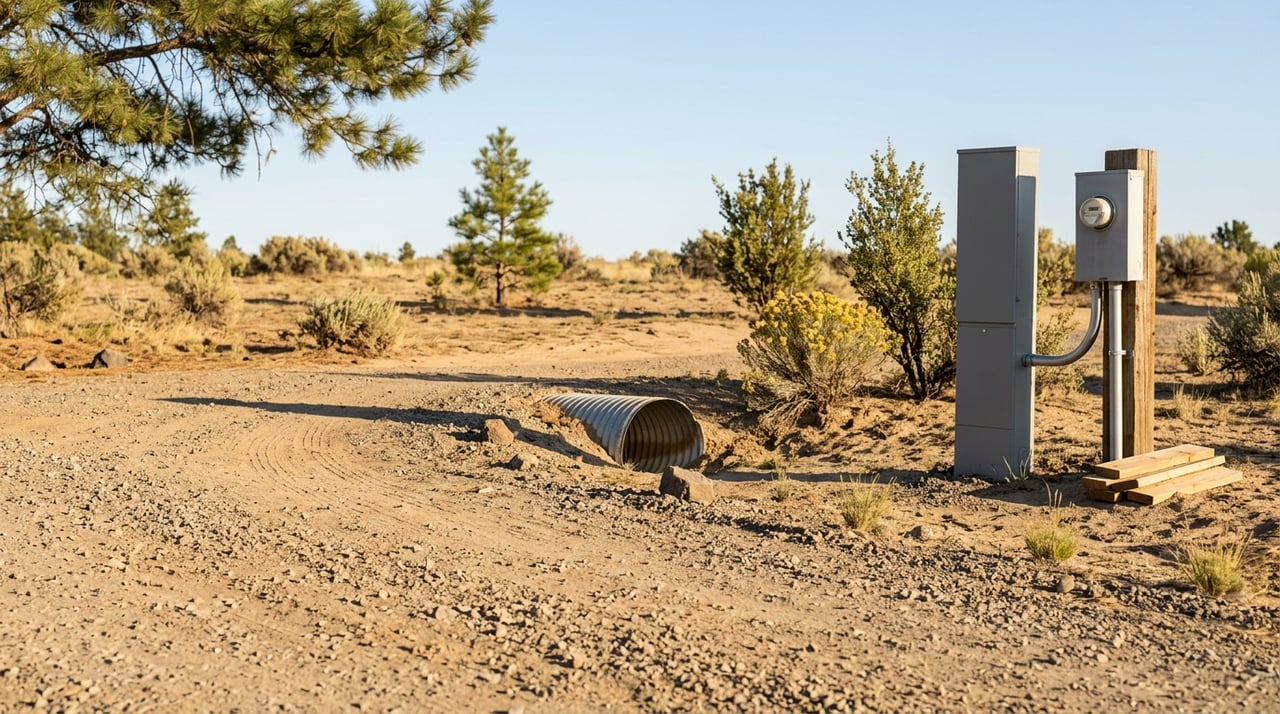
If you are considering acreage or a rural-edge property, your due diligence becomes especially important. Outside the city, septic can be a major part of the conversation because Crook County’s on-site septic program applies where public sewer is not available.
Rural Property Comes With Extra Questions
Acreage and outlying properties can be a great fit if you want elbow room, storage space, or a more private setting. They can also come with extra systems and inspections that buyers should understand early.
In incorporated city areas, sewer service is more typical. In rural parts of Crook County, septic is often part of the property setup. That means if you are shopping outside city limits, you will want to evaluate system condition, permitting, and any property-specific requirements as part of your buying process.
This is one area where local guidance really matters. A home with land can offer a very different ownership experience than a typical in-town property.
Getting Around Central Oregon
Prineville is primarily a driving town, but it is not isolated. Cascades East Transit operates Rural Dial-A-Ride in Prineville Monday through Friday from 7:00 a.m. to 5:30 p.m., and Route 26 connects Prineville and Redmond on weekdays.
The wider regional network also matters if you travel around Central Oregon regularly. The Community Connector links Bend, Redmond, Terrebonne, Prineville, Madras, Culver, Metolius, Warm Springs, La Pine, and Sisters.
Road access is a key part of everyday life here. The city and ODOT are updating Prineville’s Transportation System Plan with goals that include safer roadways, a more complete walking and biking network, and better access to destinations. U.S. 26 and OR 380 are especially important local corridors.
Schools and Health Services
For many buyers, practical services are just as important as price and scenery. Crook County School District serves more than 3,200 students through three elementary schools, one middle school, two high schools, and rural schools.
Health care access is another part of daily convenience. St. Charles in Prineville includes a medical unit, emergency department, radiology, laboratory services, outpatient rehabilitation, integrated primary care, and immediate care.
These details matter because they shape how livable a place feels over time. In Prineville, you have local access to core services while still living in a smaller community setting.
Outdoor Life Is a Major Draw
If you enjoy being outside, Prineville has a lot going for it. Prineville Reservoir State Park is a 15-mile, 3,000-acre reservoir with 43 miles of shoreline and access to camping, water recreation, hiking, stargazing, and wildlife viewing.
The Ochoco National Forest adds another major recreation layer just north and east of town. It spans 850,000 acres and includes rimrock, canyons, pine forest, and high-desert terrain.
Closer to town, the Crooked River corridor between Prineville and Bowman Dam offers fly fishing, camping, hiking, and scenic viewing. The Crooked River Wetlands within town have 5.4 miles of trails, including 3.25 paved miles, which makes it an easy option for walking, birdwatching, and a quick break outdoors.
Community Events and Downtown Character
Prineville’s social life is not only about trails and reservoirs. Community events at the Crook County Fairgrounds help anchor the local calendar throughout the year.
The Crooked River Roundup takes place annually in June and July and includes a PRCA-sanctioned rodeo and the state’s largest pari-mutuel horse races. The fairgrounds also host the Crook County Fair and recurring events such as markets, drive-in movies, and live holiday programming.
Downtown adds some historic character and small-scale local culture. The Bowman Museum focuses on local history in the old Crook County Bank building, and the Pine Theater is a renovated two-screen cinema. Together, those places help round out life in town beyond outdoor recreation.
Who Prineville May Suit Best
Prineville can be a strong fit if you want a quieter routine, access to nature, and a more favorable budget context than Bend. It may also appeal to buyers who want a settled community, practical daily services, and housing options that range from in-town homes to rural properties with land.
The trade-off is just as important to understand. You will likely be more car-dependent, and you will have a smaller retail and entertainment base than you would in a larger city. If you are considering a rural parcel, septic and other property-specific details may also shape your decision.
For many buyers, that balance is exactly the point. You are choosing more space, more outdoor access, and a different pace of life.
Final Thoughts on Living in Prineville
Living in Prineville means choosing a Central Oregon lifestyle that feels grounded, scenic, and practical. You get a growing small city with historic roots, solid everyday services, strong outdoor access, and a housing market that often compares favorably with Bend.
If you are weighing a move, the best next step is to look at your budget, commute, property type, and how you want your daily life to feel. Whether you want your first home, a move-up property, or acreage with a little more room to spread out, having local guidance can make the search much clearer.
If you’re thinking about buying or selling in Prineville, Mackenzie Licea can help you navigate the market with local insight, clear communication, and a steady strategy.
FAQs
What is daily life like in Prineville, Oregon?
- Daily life in Prineville is typically quieter and more car-oriented than in larger Central Oregon cities, with local access to schools, health services, and outdoor recreation.
Is Prineville, Oregon more affordable than Bend?
- Prineville has a lower median owner-occupied home value than the Bend metro, with local figures at $425,900 compared with $602,600 in the Bend metro, though housing still requires careful budgeting.
What kinds of homes can you buy in Prineville, Oregon?
- Buyers in Prineville may find single-family homes, manufactured homes, and some infill-style housing options, along with rural properties and acreage outside town.
Do rural homes near Prineville, Oregon need septic systems?
- Many rural properties outside incorporated city areas may rely on septic systems where public sewer is unavailable, so septic due diligence is an important part of the buying process.
Is Prineville, Oregon good for outdoor recreation?
- Prineville offers strong outdoor access through Prineville Reservoir State Park, the Ochoco National Forest, the Crooked River corridor, and the Crooked River Wetlands.
How do you get around Prineville, Oregon?
- Most people get around Prineville by car, but Cascades East Transit also offers Rural Dial-A-Ride service and weekday regional connections including Route 26 to Redmond.